
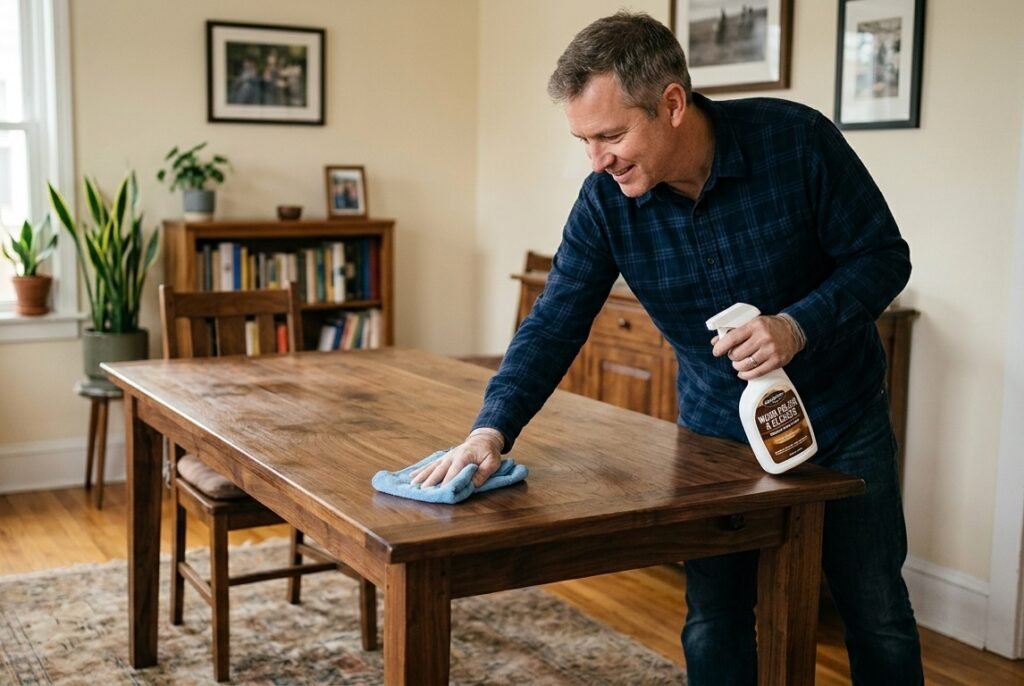
Why does high-quality wooden furniture often start looking dull despite a daily dusting routine? Wood is a natural, porous material; its timeless beauty and intricate grain require more than just a quick wipe-down. In Pakistan, home furniture faces unique environmental challenges, from the fine urban dust to the drastic humidity shifts of the monsoon season.
Whether dealing with a vintage heirloom, proper maintenance is the secret to preventing scratches and maintaining a “straight-from-the-showroom” luster.
Here are 5 expert-approved hacks to clean and protect wooden interiors effectively without using expensive industrial chemicals.
1. Dust Regularly Using a Microfiber Cloth
Dusting is often an underrated step in furniture maintenance. Dust particles are abrasive; if left to settle, they can create microscopic scratches that permanently dull the finish.
- The Microfiber Advantage: Traditional feather dusters often flick dust into the air, only for it to land back on the surface. A high-quality microfiber cloth uses an electrostatic charge to trap and lift dust completely.
- The Technique: For the best results, always dust in the direction of the wood grain. This ensures that debris isn’t pushed into the natural pores of the wood, preventing deep-seated grime buildup over time.
2. Deep Clean with a Gentle Mild Soap Solution
For wood that has lost its glow due to sticky fingerprints or grease, a dry cloth is insufficient. A solution is needed that cuts through oil without stripping the wood’s natural protective oils.
- The Mixture: Add two drops of gentle, pH-neutral dish soap to a liter of warm water.
- The Application: Dip a soft cloth into the solution and wring it out until it is barely damp. Moisture is wood’s greatest enemy. Never soak the surface, as water can seep into joints, causing the wood to warp, swell, or develop “cloudy” white spots.
- The Finish: Immediately follow up with a dry, lint-free cloth to buff the surface. This prevents lingering moisture from affecting the varnish.
3. The Natural Polish: Vinegar and Olive Oil
If coffee tables or cabinets look “thirsty” and dry, avoid aerosol sprays, which often contain silicones that leave a waxy, artificial residue. Instead, a natural, eco-friendly polish can be made using common kitchen staples.
- The Science: White vinegar acts as a mild disinfectant and grime-cutter, while olive oil works as a conditioner to nourish the wood fibers.
- How to Apply: Mix 1/2 cup of olive oil with 1/4 cup of white vinegar. Apply a small amount to a cloth and rub in circular motions.
- The Result: This method is ideal for dark woods like Sheesham or Walnut, providing a deep, rich glow and a protective barrier against the drying effects of air-conditioning.
Read More: Best Wood For Beds in 2026
4. Remove Tough Stains with Baking Soda or Toothpaste
Accidents are inevitable; a hot tea cup might leave a white ring, or a child’s pen might stray onto a desk. Before considering aggressive sandpapering, these gentle abrasive hacks can save the finish:
- For Water Rings: Mix equal parts baking soda and water to create a thin paste. Gently rub it into the ring in a circular motion until the mark disappears.
- For Ink or Scuffs: Use a non-gel, white toothpaste. The mild abrasives in the paste lift the stain without eating through the wood’s protective sealant.
- Pro Tip: Always test these methods on a hidden area (like the underside of a table leg) first to ensure the specific furniture finish does not react negatively.
5. Protect and Seal with Furniture Wax
Cleaning is only half the process; protection is the essential second half. High-quality wooden furniture requires a “seal” to keep environmental stressors out.
- Wax vs. Polish: While polish provides a temporary shine, a paste wax provides a hard, protective layer that can last for months.
- Application: Apply a thin, even layer of wood-specific wax and let it sit for about 5–10 minutes to “set.”
- The Buff: Use a clean cloth to buff the surface vigorously. This creates a soft, satin-like glow that repels dust for weeks. For Diamond Home wooden frames and interiors, this should be done every 3–4 months to maintain peak condition.
Expert Tips for Long-Term Maintenance
To ensure furniture lasts for generations, keep these environmental factors in mind:
- Sunlight Protection: UV rays can “sunburn” wood, causing it to fade or crack. Position pieces away from direct sunlight or use UV-filtering curtains.
- Humidity Control: Wood “breathes.” In very dry weather, it can shrink; in humid weather, it expands. Aim for a stable indoor humidity of 40% to 45%.
- The Golden Rule: Lift, don’t drag. Dragging a heavy wooden chair can loosen the joints and cause deep gouges in both the furniture and the flooring.
- Use Protective Layers: Always use coasters for drinks and felt pads under decorative items to prevent “hidden” scratches.
Conclusion: Keep Wooden Interiors Maintained
Investing in premium wood is an investment in the home’s long-term value. By following these 5 simple hacks, regular dusting, gentle soap cleaning, natural conditioning, targeted stain removal, and seasonal waxing, the furniture remains a highlight of the decor. Using products from a trusted brand like Diamond Home ensures a foundation of quality, but consistent care is what brings back the charm of wooden interiors day after day.
Also Read: Where to Buy Furniture Online in Pakistan
FAQs
- Can all-purpose cleaners be used on wooden furniture?
No. Most all-purpose cleaners contain ammonia or harsh chemicals that strip away the wood’s finish, leaving it vulnerable to rot and cracking.
- How is sticky residue removed from stickers or tape?
Dampen a cloth with a vinegar-olive oil mixture. The oil helps break down the adhesive bond without damaging the wood’s varnish.
- Is lemon juice safe for wood?
Lemon juice is highly acidic. While it can bleach out certain stains, it should always be diluted with water or oil and wiped off immediately to avoid “etching” the surface.
- How often should furniture be deep cleaned?
For most Pakistani households, a weekly dusting and a quarterly deep polish or wax is the ideal schedule to combat local dust levels.