
As we head into 2026, finding a good night’s rest in Pakistan has become more than just a luxury—it’s a survival skill. Between the sweltering heat of a June afternoon in Lahore and the sudden silence of a load-shedding stint at 2:00 AM, our environment demands a lot from our beds.
Choosing between Memory Foam and Hybrid technology is no longer a generic choice. Today, bedding is tailored to accommodate specific body types, sleeping positions, and—most importantly for us—temperature preferences. Simply purchasing a bed won’t do; you need an approach to sleep that meets your body’s specific needs.
Both technologies have made massive strides this year, from cooling infusions that actually work to eco-friendly production methods. To find the true winner, we have to look past the marketing slogans and see how these materials impact those eight hours of restorative sleep.
The All-Encompassing Hug: Memory Foam
NASA created memory foam decades ago, and it remains the gold standard for pressure relief. Technology has come a long way since the “heat-trapping” foams of the past. Modern foam is built to breathe while still giving you that signature “weightless” feel.
The Benefits:
- Contoured Support: Because memory foam responds to body heat and pressure, it molds perfectly to your shape. This “cradling” effect is a lifesaver for side sleepers or anyone dealing with long-term back or joint discomfort.
- Zero Motion Transfer: This is a game-changer for couples. If your partner gets up for a midnight snack or Tahajjud, the foam absorbs the energy so you stay undisturbed.
- Completely Silent: Unlike traditional beds with metal parts, memory foam is silent—no creaks or groans when you move.
The Reality Check:
- Heat Retention: Even with modern tech, the dense construction of foam can feel warmer than other materials. If you’re a “hot sleeper,” you’ll want to look for advanced versions like Diamond Foam, which is widely considered the best for instance due to its Supreme GelCool technology that actively pulls heat away from the body.
The Dynamic Powerhouse: Hybrid Technology
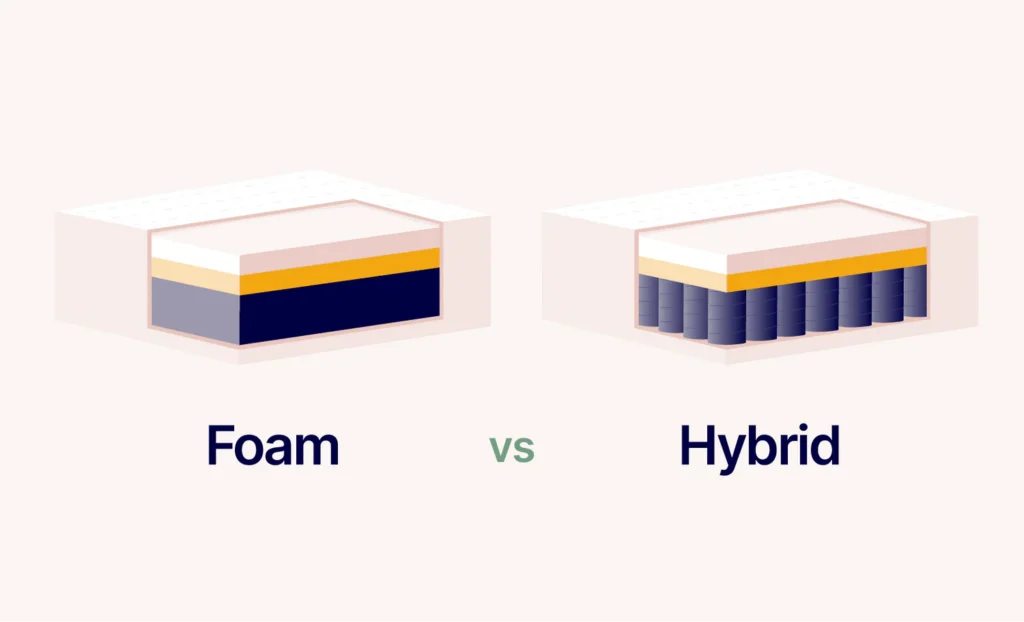
Hybrid mattresses are the multitaskers of 2026. They combine pocket springs for core support with layers of foam or latex for cushioning. Much like hybrid cars, they are built to do more than one thing at a time.
The Benefits:
- Natural Airflow: The space between the pocketed coils allows air to move freely. This creates a much cooler sleeping surface than all-foam beds—a massive advantage for our humid summers.
- Dynamic Bounce: The spring system creates an adjustable “push-back.” This makes it much easier to change positions or sit on the edge of the bed without that “sinking” feeling.
- Edge Support: Most hybrids feature reinforced edges, giving you peace of mind that you won’t roll off the bed during the night.
The Reality Check:
- Motion Transfer: While pocketed coils move independently, they still transfer slightly more movement than solid foam.
- Weight: Due to the steel coils, these beds are significantly heavier. Moving them into a second-story apartment with a narrow staircase can be a real workout.
2026 Technology Trends: The Innovation Gap
The line between these two is blurring. Memory foam mattresses now use open-cell structures that mimic the breathability of springs, while hybrid models feature thicker memory foam “comfort layers” to give you that hug without the heat.
Sustainability has also hit the mainstream in Pakistan. Brands across the board, from heritage names like Moltyfoam to value-focused brands like Alkhair Foam, are increasingly using bio-based foams and recycled steel to appeal to environmentally conscious sleepers.
Final Verdict:
Who prevails in 2026? Neither is “superior”—they just solve different problems.
- Choose Memory Foam if: You want a weightless experience, you suffer from severe joint pain, or you sleep with a restless partner. For a specialized orthopedic experience, Supreme Ortica remains a top-tier choice for spinal alignment.
- Choose a Hybrid if: You sleep hot, move frequently, or prefer a traditional “bouncy” feel with strong edge support. These models offer the structural airflow needed for modern homes in high-temperature regions.
At the core of it all lies the success of the 2026 sleeper: being aware of your specific requirements. Whether you prioritize comfort or durability, your bed should be a sanctuary that recharges you for the life waiting outside.