
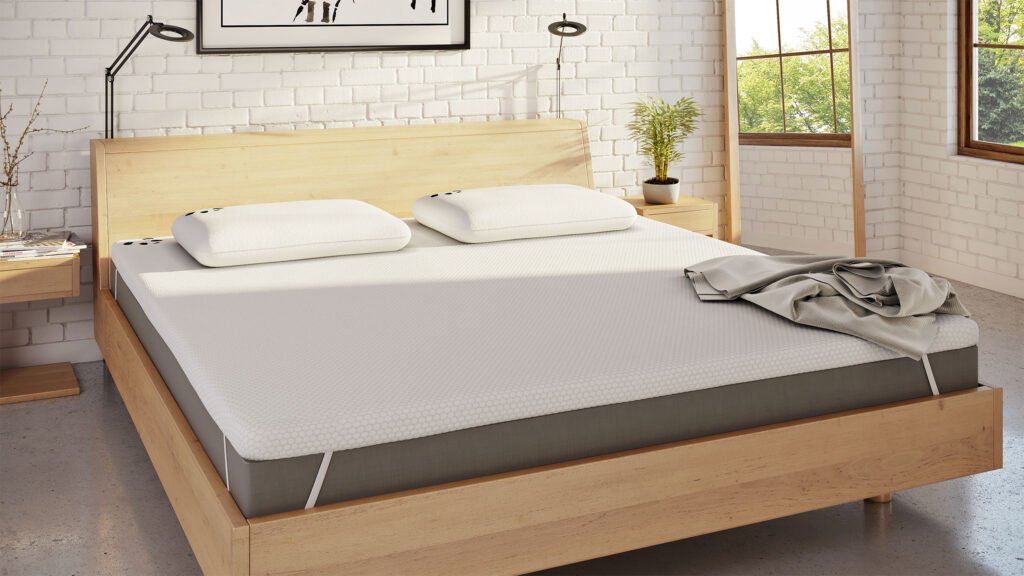
If you are waking up with back pain or stiffness, your mattress may lack the necessary support. While a full replacement is one option, a high-density mattress topper is a cost-effective, targeted solution to restore the pressure-relief profile of your bed. By adding a layer to your existing mattress, you can improve sleep quality and maintain proper posture without the expense of a brand-new mattress.
Mattress toppers are designed to enhance the comfort and support of your existing mattress, helping you sleep better and maintain proper posture throughout the night. But do they really work? Let’s explore how they can improve sleep and posture.
Let’s explore.
What is a Mattress Topper?
A mattress topper is an additional layer of specialized cushioning placed directly on top of your existing mattress. Available in materials ranging from memory foam and latex to wool and fiberfill, mattress toppers serve two primary purposes: extending the lifespan of an older bed and addressing specific orthopedic issues like chronic back pain or poor spinal alignment.
The main benefit of a mattress topper lies in its ability to redistribute body weight. By adding this ergonomic layer, you can transform a standard mattress into a luxury sleep system that provides customized support tailored to your unique body type.
How a Mattress Topper Enhances Sleep Quality
Deep, restorative sleep depends on three main pillars: comfort, temperature regulation, and stability. Here is how a mattress topper optimizes these factors:
- Targeted Pressure Relief: Memory foam and latex layers contour to the body’s natural shape, significantly reducing stress on sensitive areas like the shoulders, hips, and lower back. This minimizes tossing and turning, allowing for uninterrupted sleep cycles.
- Advanced Temperature Control: Many modern toppers are infused with cooling gels or designed with breathable, open-cell structures. This improves airflow and prevents the overheating that often leads to restless nights.
- Motion Isolation: For those who share a bed, toppers made from high-density foam absorb movement. This noise reduction and motion isolation are essential for light sleepers who are easily disturbed by a partner shifting positions.
- Surface Consistency: A topper creates a uniform sleep surface, protecting your underlying mattress from premature wear while providing a consistent feel every night.
The Posture Benefits: Aligning Your Spine
Proper posture is just as important during sleep as it is during the day. Poor alignment leads to muscle strain, restricted circulation, and chronic pain. Mattress toppers contribute to better orthopedic health in the following ways:
- Maintaining Neutral Spinal Alignment: High-quality toppers support the natural “S” curve of your spine. By filling the gaps at the lumbar or neck, they ensure your back stays in a neutral position, reducing strain on supporting ligaments.
- Preventing “Sinkage”: By cushioning high-pressure points, a topper prevents the heavier parts of your body from sinking too deeply into a soft mattress, which is a leading cause of spinal misalignment.
- Position-Specific Support: Whether you are a side, back, or stomach sleeper, you can choose a specific thickness (typically 2–4 inches) to provide the exact level of resistance your posture requires.
Choosing the Right Material
Selecting the right material is the most critical step in improving your sleep posture. Use the table below to compare the most common options and find the perfect match for your needs:
| Topper Material | Best For… | Heat Retention | Feel & Support |
| Memory Foam | Pressure relief & joint pain | High (unless gel-infused) | Contouring & Deep Sink |
| Latex | Spinal alignment & durability | Low (Breathable) | Responsive & Bouncy |
| Fiberfill | Softening a firm mattress | Low | Airy & Plush |
| Cooling Gel | Hot sleepers & active recovery | Very Low | Structured & Temperature-Stable |
Conclusion: Is a Mattress Topper Worth It?
Yes. For most sleepers, a mattress topper is a practical and affordable investment in long-term health. By providing extra cushioning and critical spinal support, it allows the body to rest in a more natural position. Whether you are looking to upgrade a new bed or revitalize an older one, the right topper can transform restless nights into rejuvenating sleep.
To get the most benefit, ensure you choose a topper made from high-resilience materials, such as those found in the Supreme Foam collection, which are specifically engineered to maintain their shape and support levels over time.
Frequently Asked Questions
- Does a mattress topper really improve sleep quality?
Absolutely. By adding a layer of comfort that reduces pressure points and motion transfer, toppers help you stay in deep sleep stages longer.
- Can a mattress topper help with back pain?
Yes, especially “orthopedic” or memory foam toppers. They adapt to your body shape, which helps maintain proper spinal alignment and reduces the muscle tension that causes morning back pain.
- What is the best thickness for a mattress topper?
Most sleepers find that a 2 to 3-inch topper provides the best balance of comfort and support. Side sleepers often prefer 3–4 inches for extra hip cushioning.
- Can a mattress topper fix a sagging mattress?
A topper will improve the feel of a mattress, but it cannot fix a deep structural sag. If your mattress has a permanent dip, it is better to invest in a new, supportive base.
A mattress topper will improve the surface feel, but it cannot fix a deep structural sag. If your mattress has a permanent “dip,” a topper will simply follow that curve. In this case, it’s better to invest in a new, supportive base, like a high-resilience Supreme mattress topper, to ensure your spine is properly supported.