
You’ve invested in a quality mattress, ready for years of restful sleep. But after just a few years, you might notice it’s sagging or feeling lumpy. While you might blame the mattress, the real culprit could be something you’ve overlooked: the bed base.
Think of your mattress as the body, and the bed base as its backbone. No matter how high-quality your mattress is, it needs a strong, supportive foundation to hold up over time. A proper base not only extends your mattress’s lifespan but also ensures you get the comfortable, supportive sleep you paid for.
Why Your Bed Base Matters
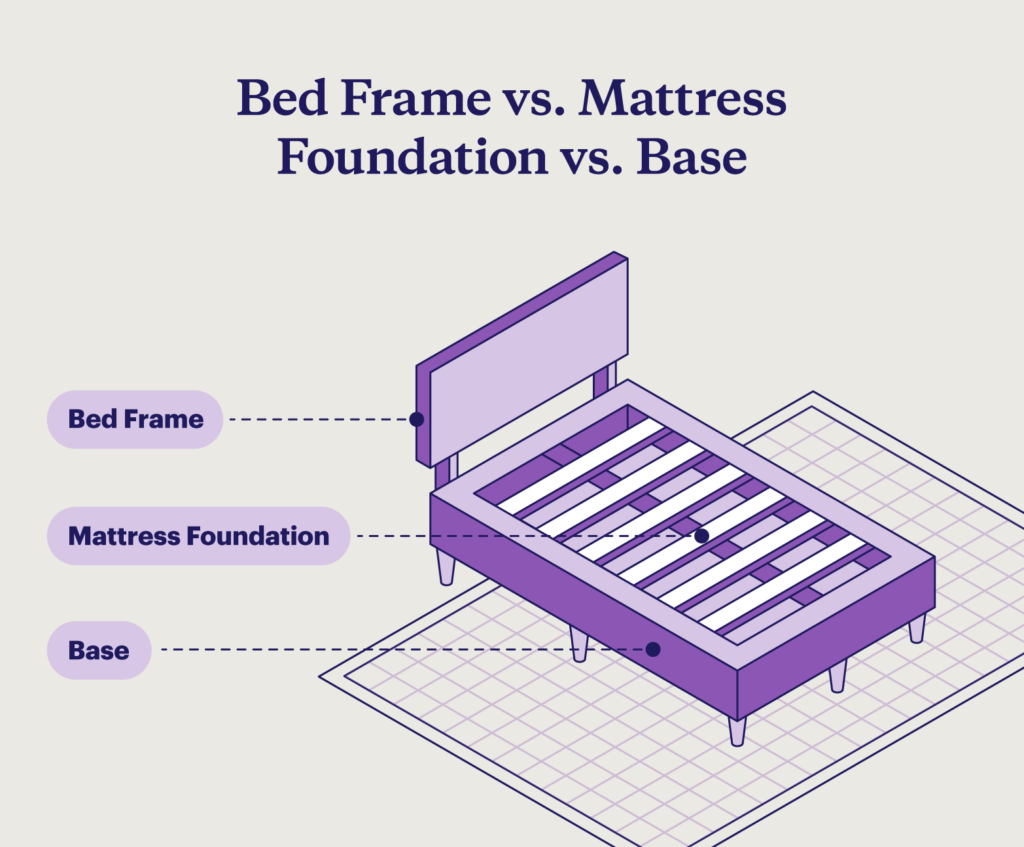
A bed base is the structure that supports your mattress. It keeps it level and stable, and provides consistent, even support across its entire surface. A good base also allows for crucial airflow, preventing moisture buildup that can lead to mold, mildew, and unpleasant odors.
In short, the right bed base is just as important as the mattress itself. An inadequate foundation can cause problems that shorten your mattress’s lifespan and compromise your sleep quality.
Common Types of Bed Bases
- Solid Platform Beds: These beds offer a firm, solid surface, making them excellent for supporting most mattresses, especially foam-based ones. Just be sure the platform is completely flat and free of dips.
- Beds with Slats: Slatted frames are popular because the gaps between the slats allow for air circulation, which is great for mattress breathability. The key here is proper spacing. Slats that are too far apart will cause your mattress to sag in the gaps, leading to uneven support. The general rule is to keep gaps no wider than 2-3 inches.
How the Wrong Base Can Hurt Your Mattress
An unsuitable foundation can cause significant damage to even the best mattress.
- Premature Sagging: This is the most common issue. Without proper support, your mattress will begin to sag, especially in the middle. This not only causes discomfort but can also void your mattress warranty.
- Lack of Airflow: A solid base that doesn’t allow for air circulation can trap moisture underneath the mattress. This leads to the growth of mold or mildew, creating an unhealthy sleep environment and causing your mattress to develop a bad odor.
- Loss of Support: A weak or mismatched base prevents your mattress from doing its job, leading to aches and pains. You might wake up feeling stiff and sore because your mattress couldn’t properly align your body during the night.
How to Choose the Right Foundation
Always check the mattress manufacturer’s recommendation for the type of base that will work best.
- For Foam Mattresses: Memory foam and polyfoam mattresses perform best on a firm, solid foundation. A platform bed or a slatted base with closely spaced slats (no more than 2-3 inches apart) is ideal.
- For Spring Mattresses: Just like foam mattresses, spring mattresses require a firm, level base. A bed frame with a strong center support is essential to prevent sagging in the middle.
- Always Look for Center Support: If your bed is larger than a twin, make sure it has a central support leg or beam. This simple feature can prevent your mattress from sagging and keep it properly supported for years.
Conclusion: Don’t Overlook the Unsung Hero
A quality mattress is a major investment in your health and well-being, but that investment can be undermined by the wrong bed base. By choosing a proper foundation, whether it’s a solid platform or a slatted frame with correct spacing, you ensure your mattress stays comfortable and supportive for years to come.
The bed base is the unsung hero of your sleep setup. By getting the foundation right, you make sure your mattress performs at its best, so you can enjoy years of restful, pain-free sleep.